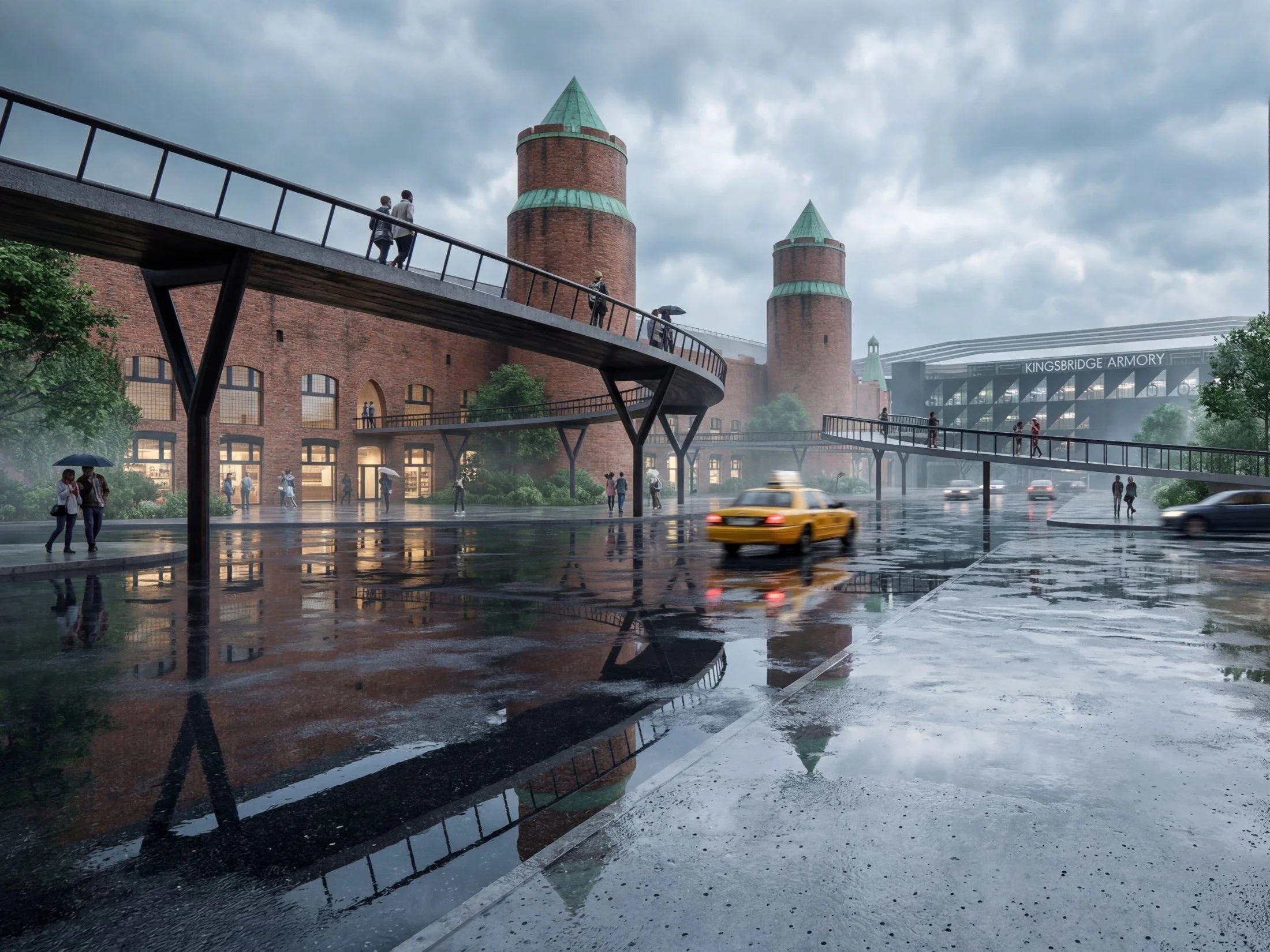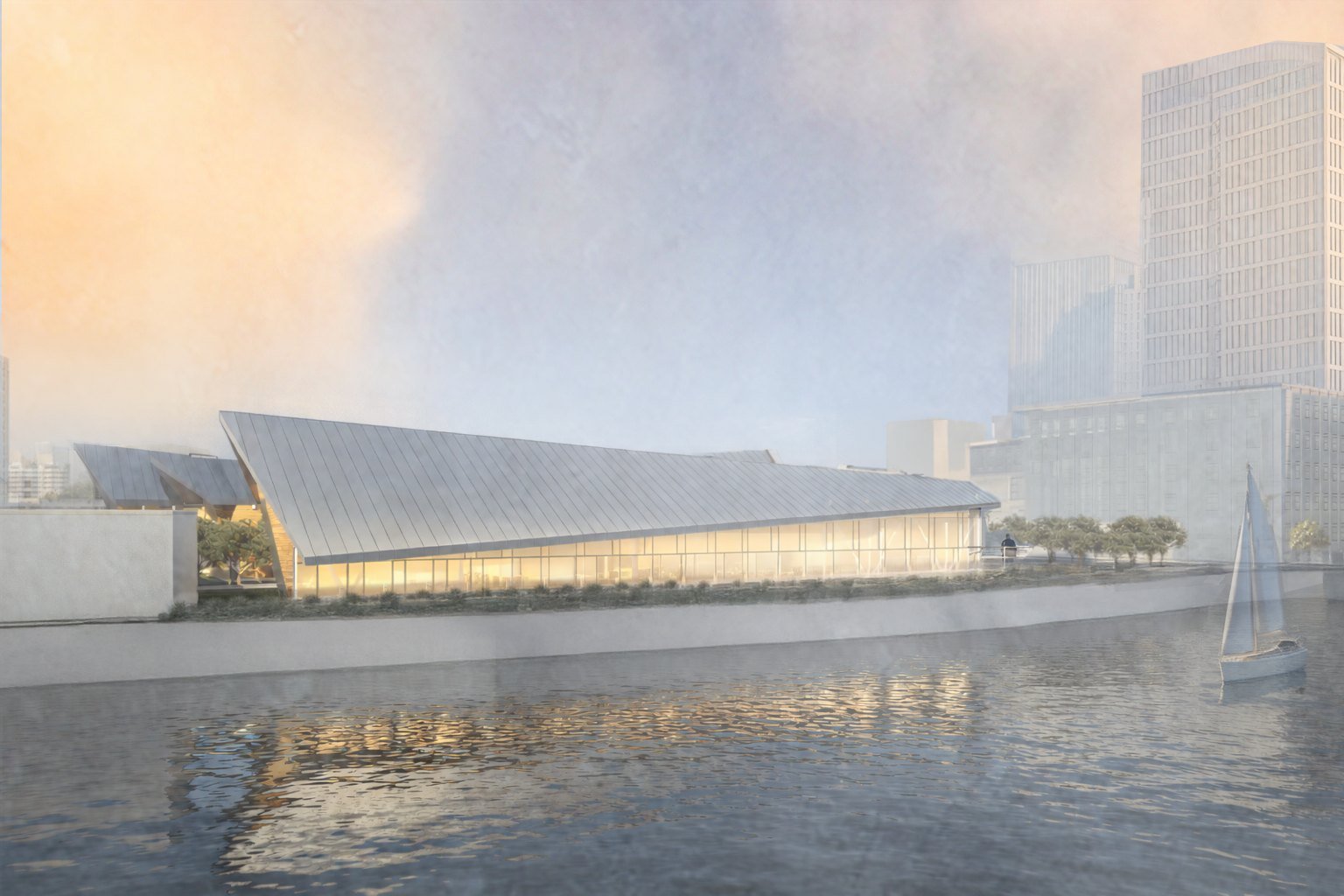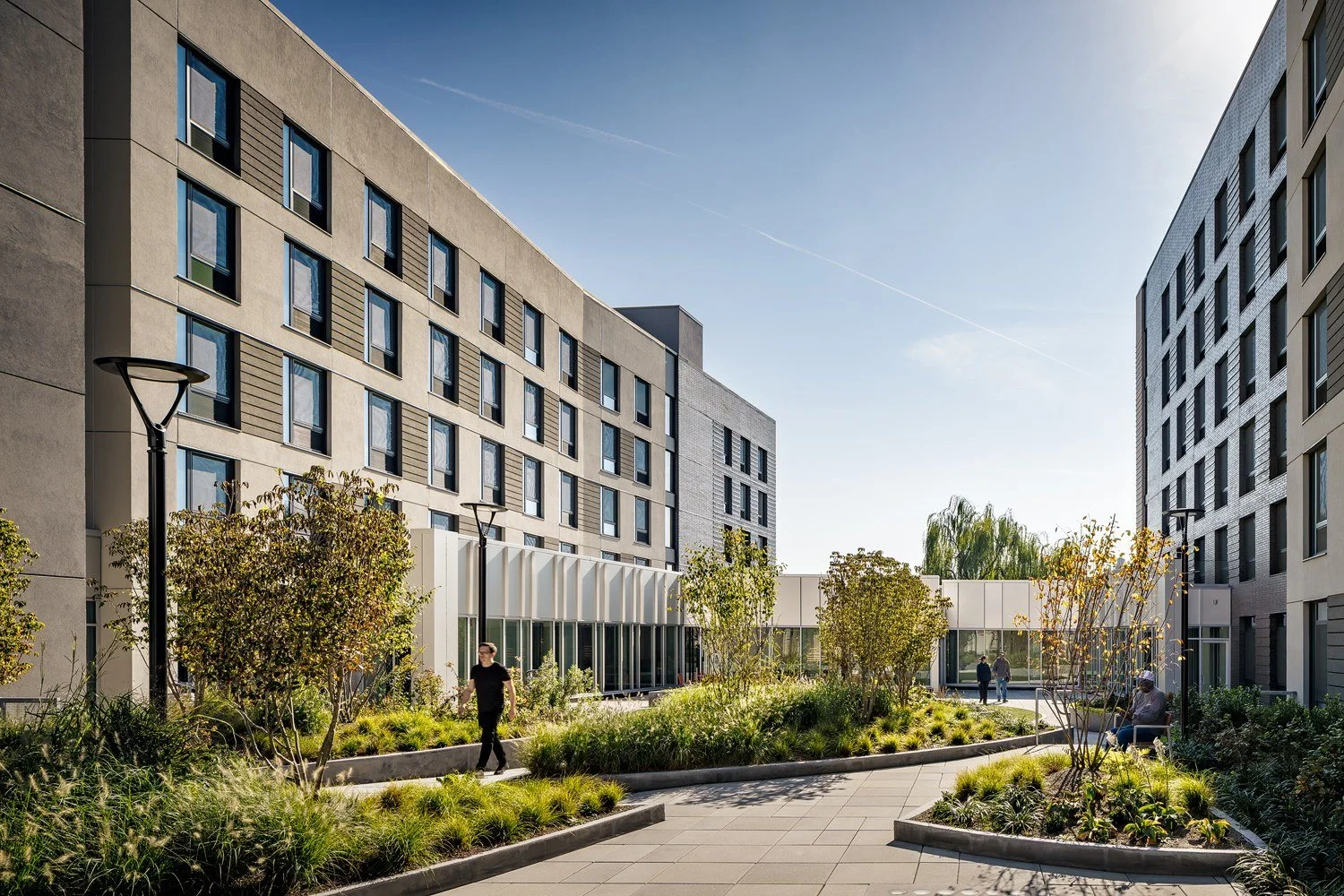
Bridge Rockaway is the first development in New York City to co-locate 100% supportive and affordable housing with light industrial space.
Read More
Bridge Rockaway is the first development in New York City to co-locate 100% supportive and affordable housing with light industrial space.
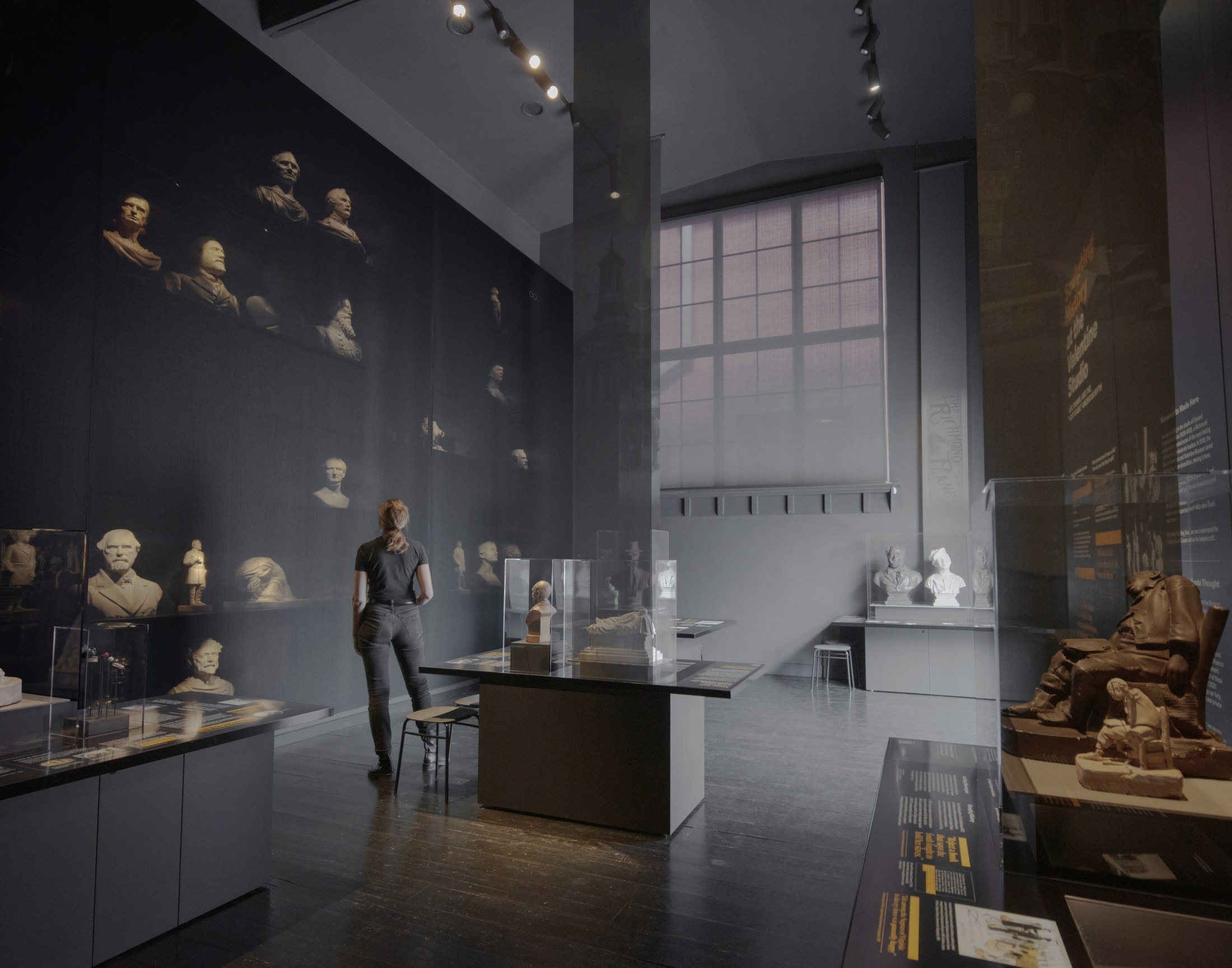
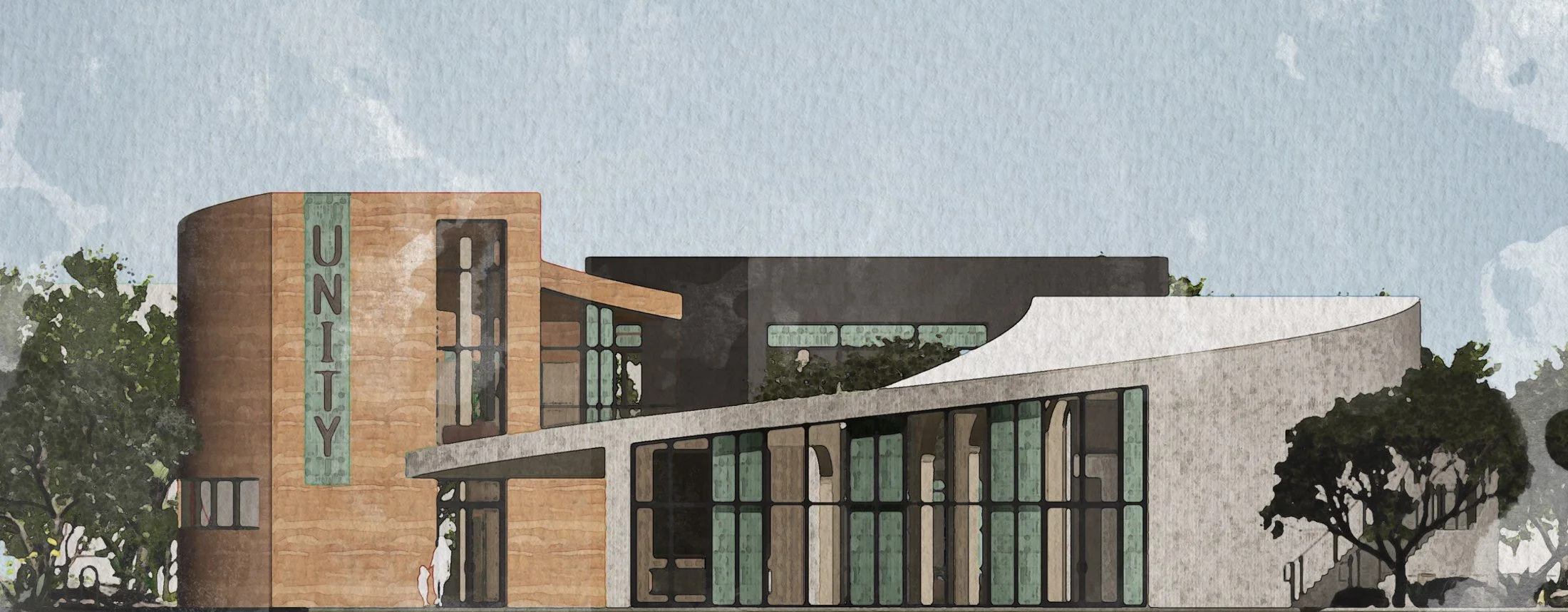
Read MoreOnce the studio where Edward V. Valentine created racist and Lost Cause sculptures, the adaptive reuse of the structure employs artifacts, narrative, and a multimedia presentation to create a bold, highly charged new armature for community learning and social bonding.
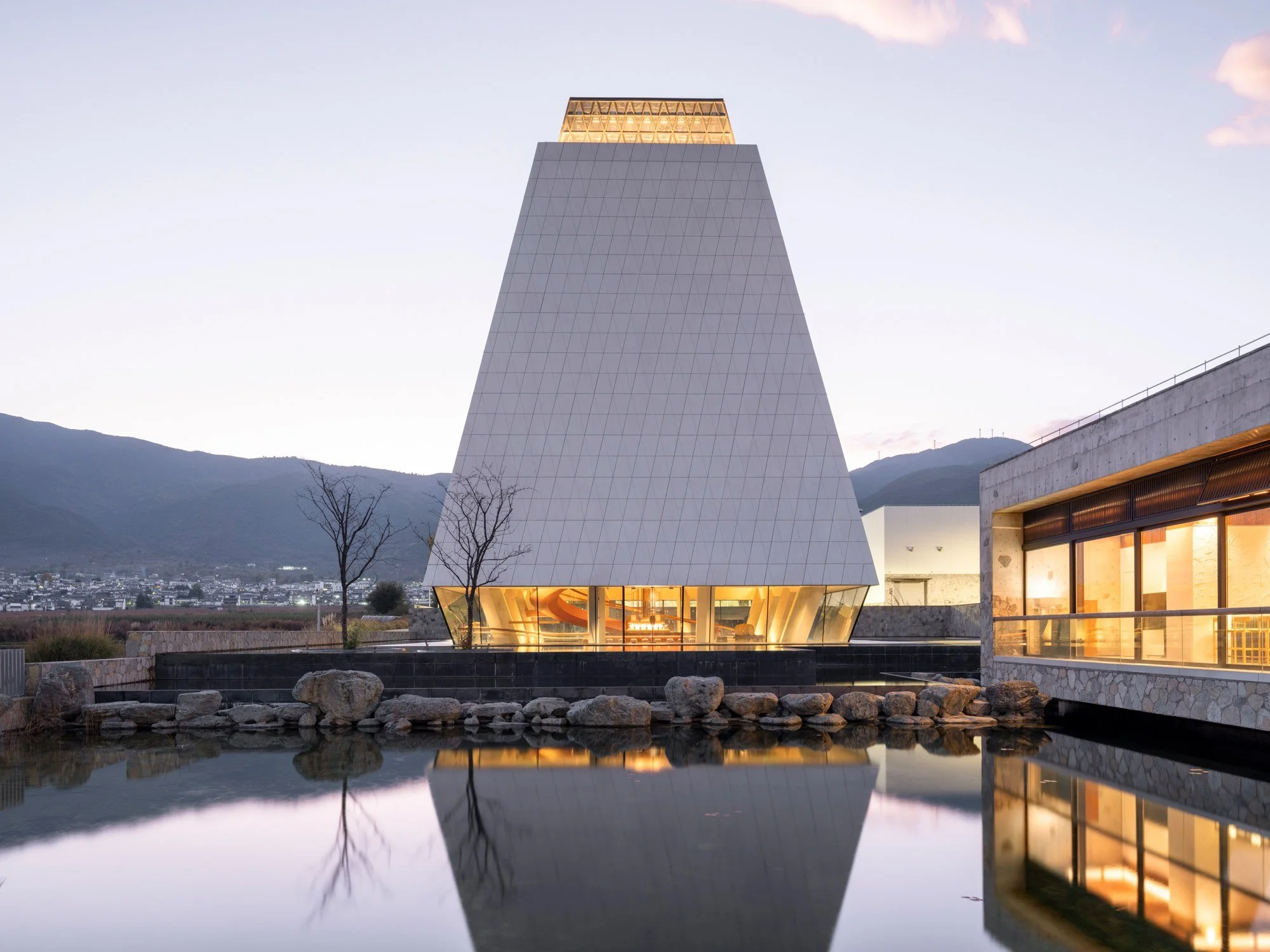
Read MoreThe Diageo YunTuo Whiskey Distillery complex is the brand’s first single-malt whisky distillery in China, designed as a series of intensely formal pavilions whose material and sculptural nature is conceived as a sweeping response to the site’s dramatic topography.
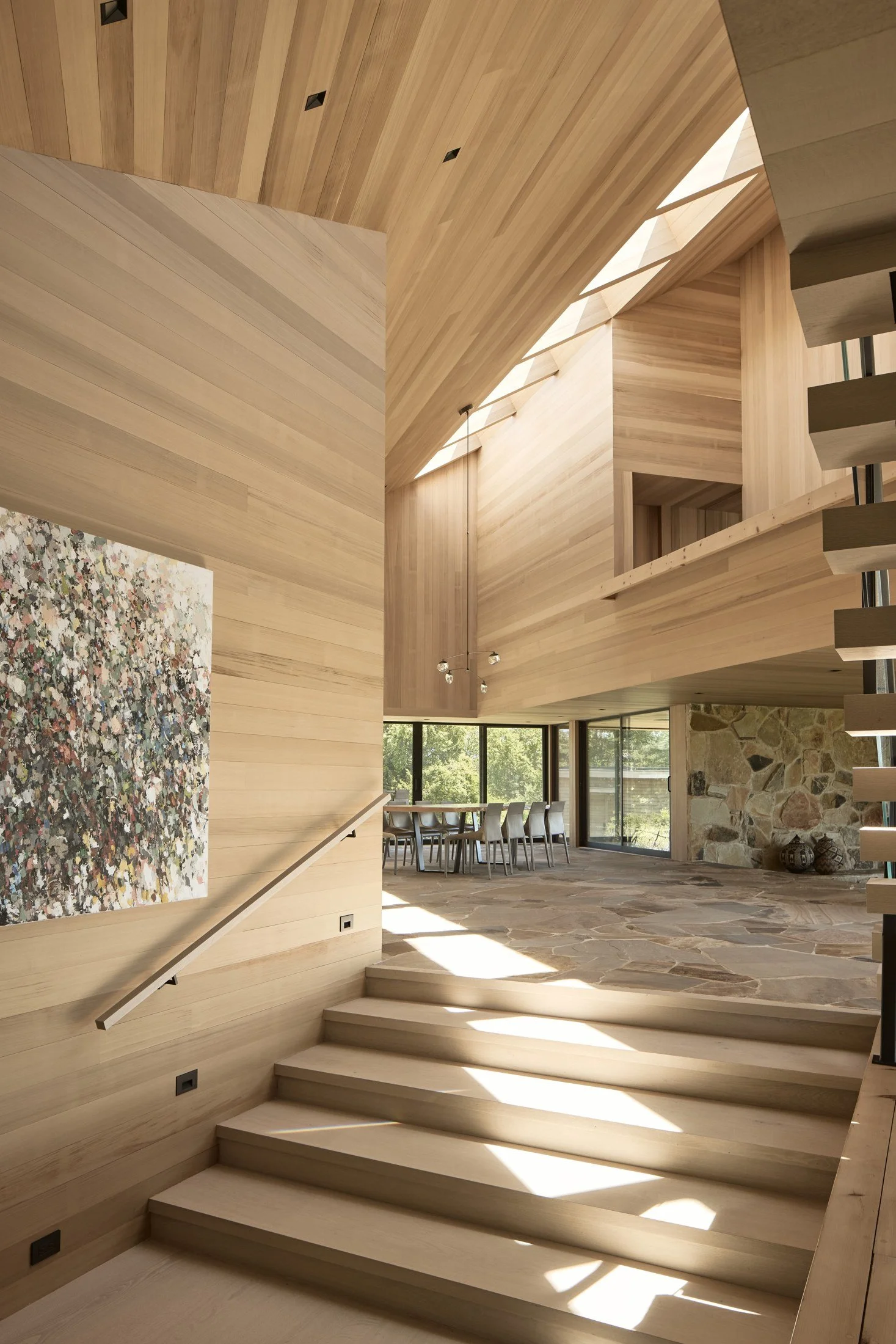
Read MoreA careful restoration and expansion of a 1977 Norman Jaffe residence reinterprets his legacy of light and simplicity, renewing a weathered home into a serene, contemporary retreat rooted in its wetland landscape.
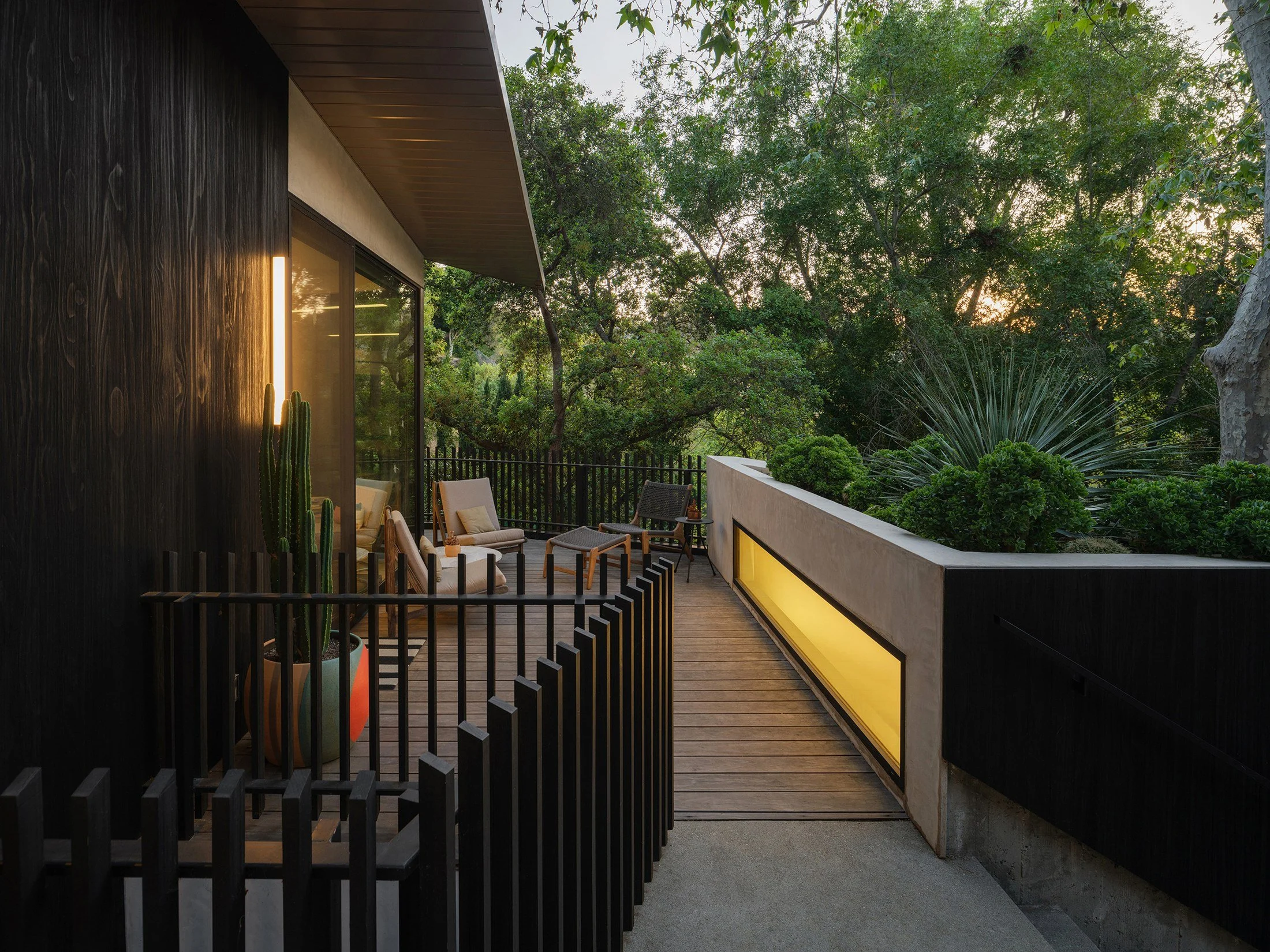
Read MoreThis compact studio outbuilding for a photographer and a filmmaker creates a woodsy, quiet retreat for creative concentration and reflection. Emerging from a steep, downslope site, rhomboid geometries produce skewed extensions of space and optics, projecting experience beyond the envelope and yielding a small building rich with expanded effect.
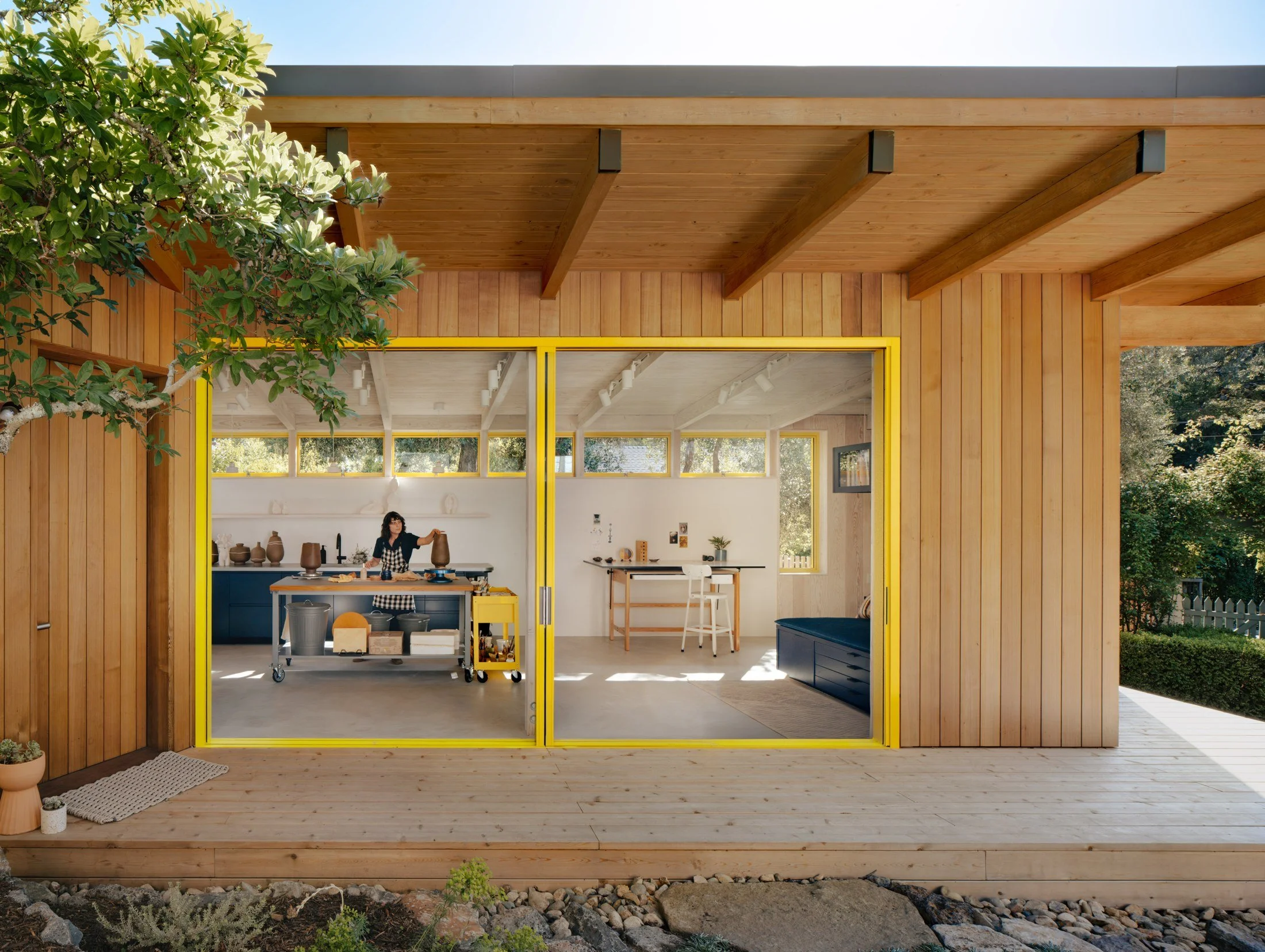
Read MoreWith a form that responds to the site’s natural contours, this multifunctional pavilion containing a flexible ceramic and Pilates studio transforms a typical backyard into a secluded and vibrant courtyard.
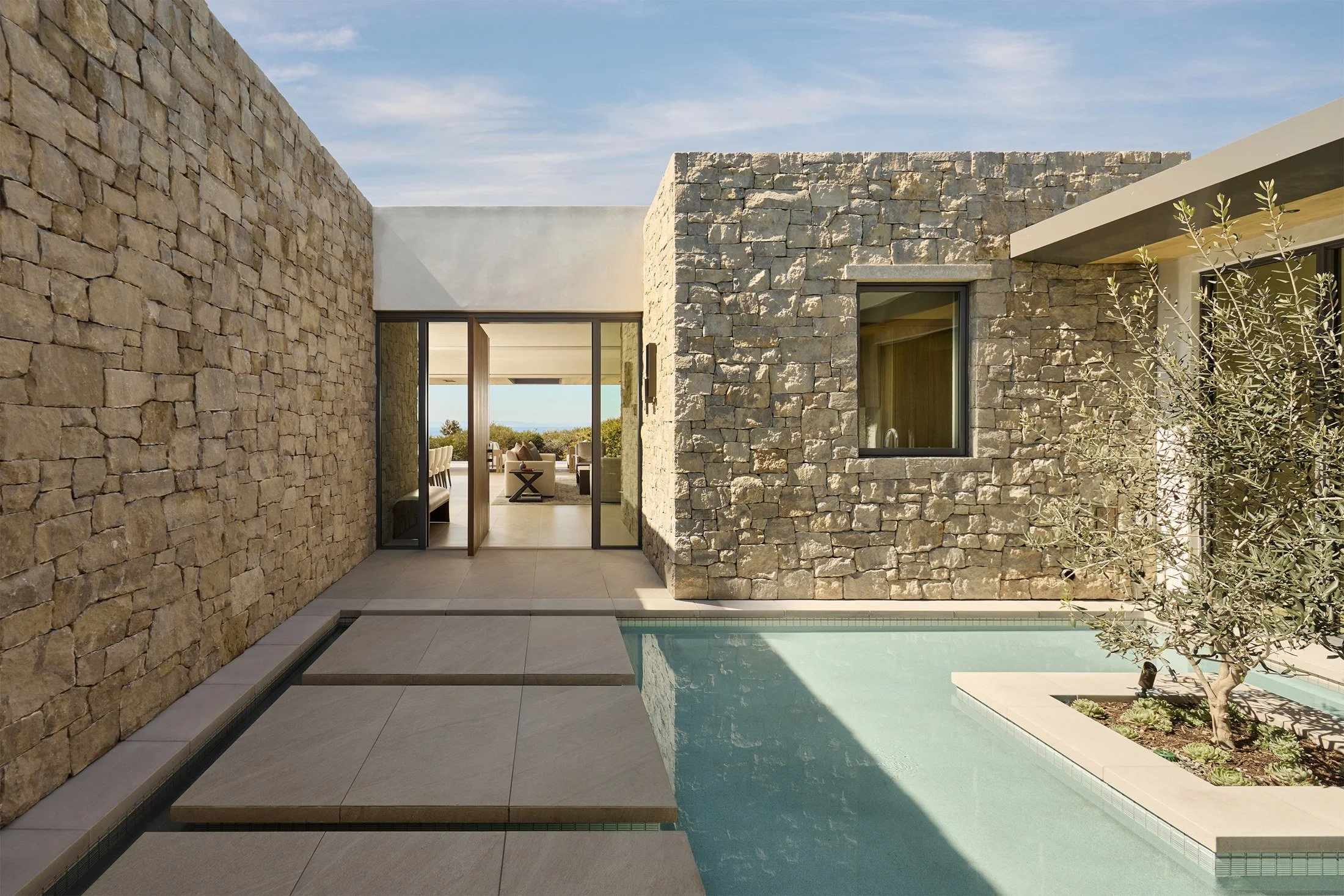
Read MoreA new single-level coastal home oriented toward Catalina Island blends expansive views, seamless indoor-outdoor living, and a generous great room with a tranquil courtyard arrival, layered roof forms, and refined architectural details that create a composed yet intimate Mediterranean-inspired retreat.
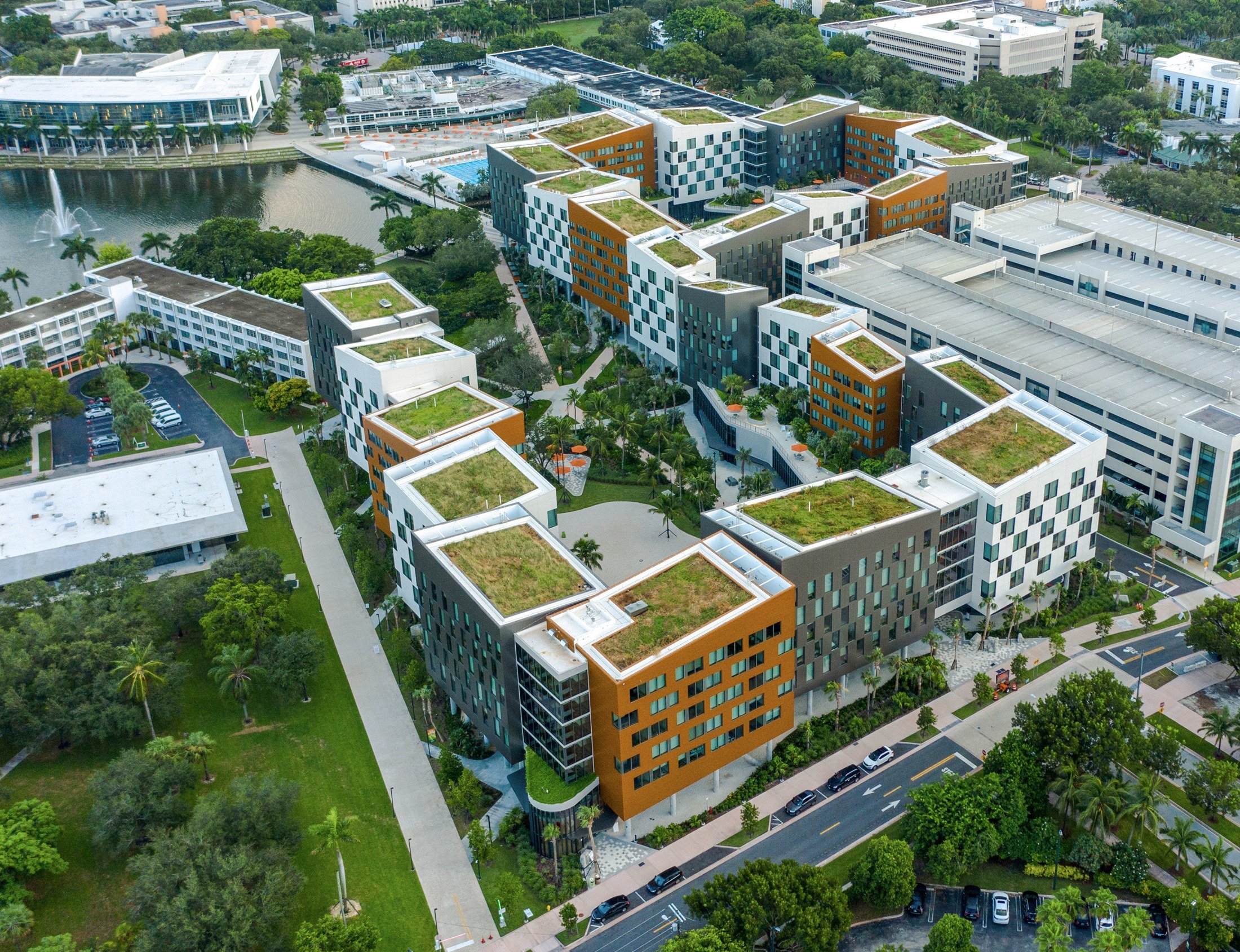
Read MoreLakeside Village reimagines student living at the University of Miami as an interconnected, landscape-centered community, where lush courtyards, shaded pedestrian networks, resilient planting, and vibrant social spaces strengthen campus connectivity, support well-being, and create an immersive outdoor experience rooted in South Florida’s subtropical character.
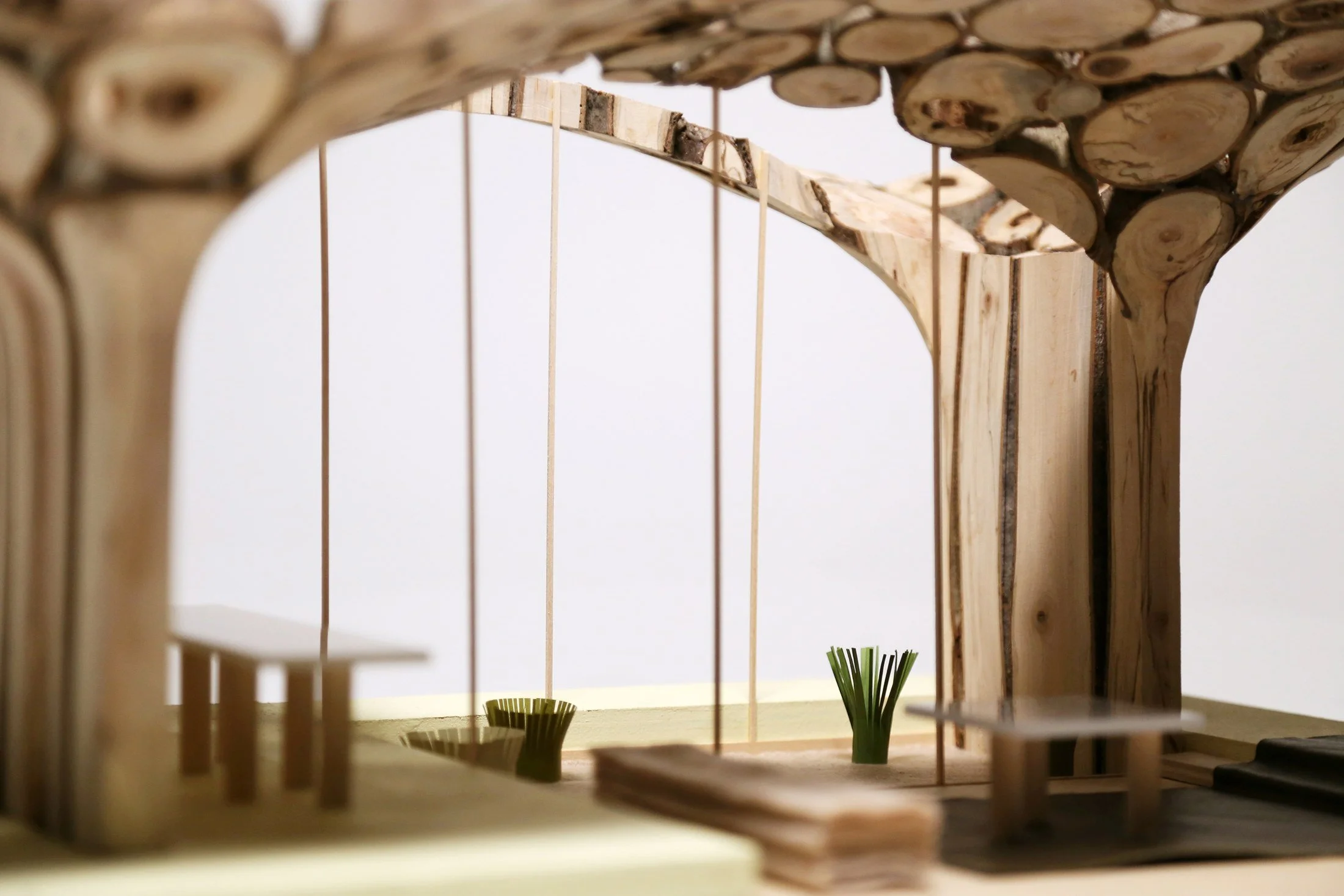
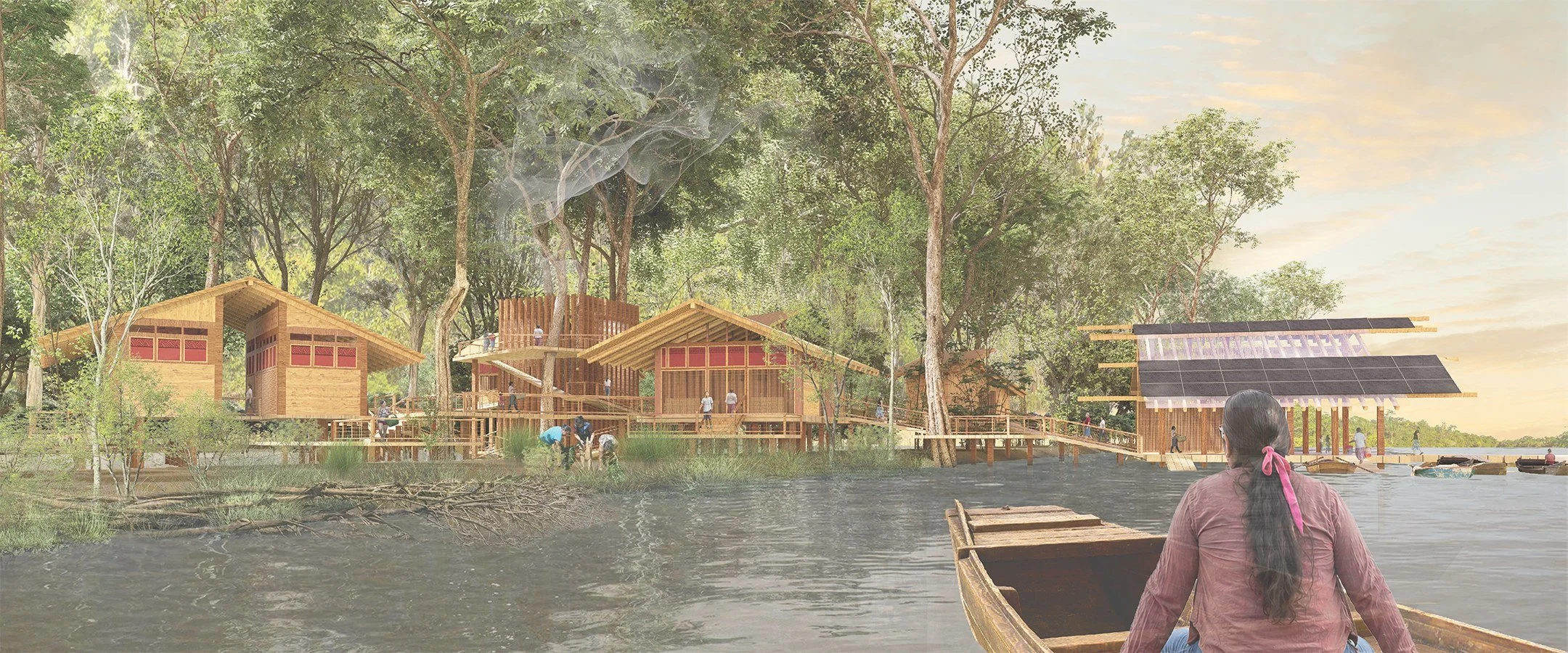
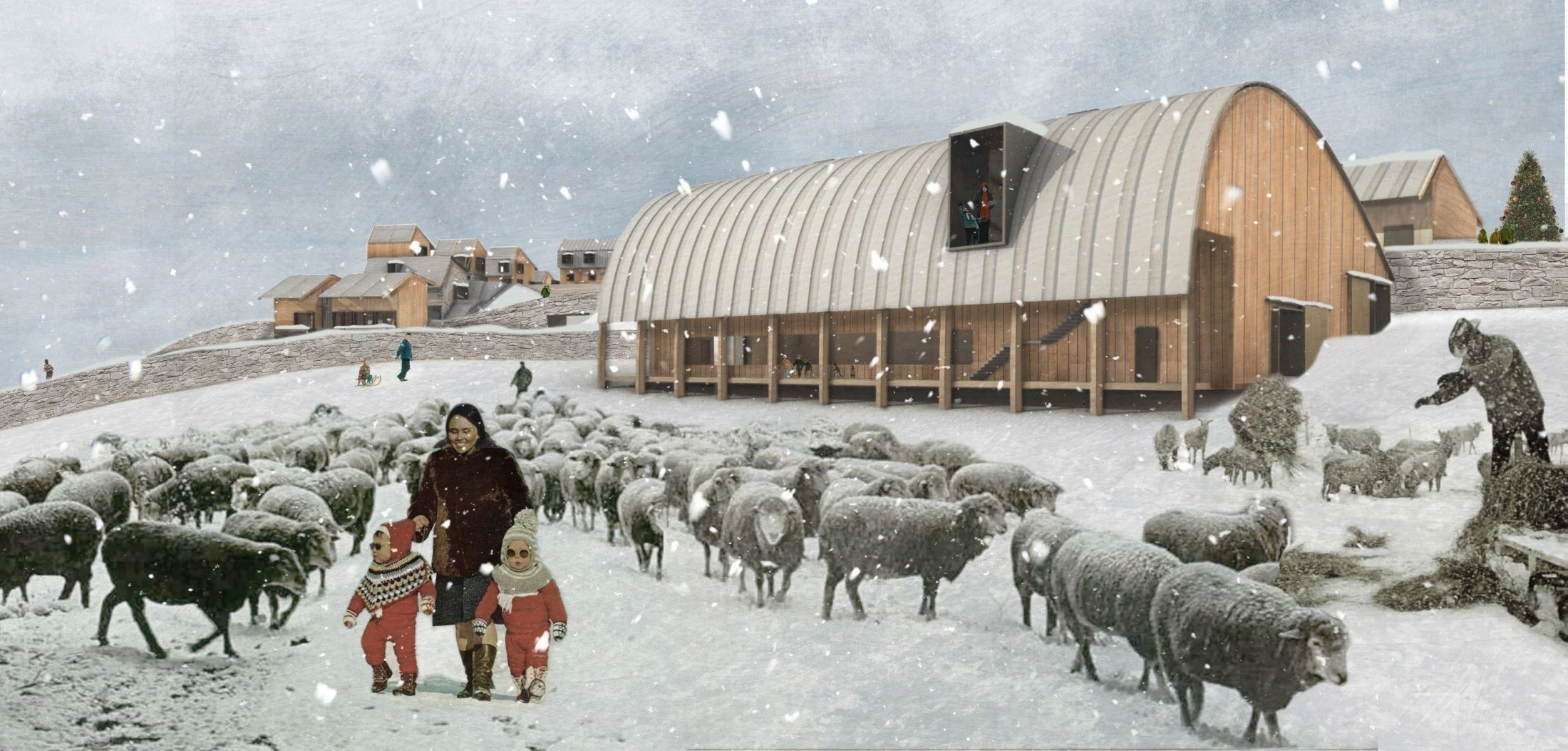
Read MoreMuch of the work advancing biomaterials in construction takes form as material prototypes and pavilions. These small-scale investigations can sometimes feel like demonstrations free from the constraints of permanent construction and habitation: parlor tricks. Living Rooms & Parlor Tricks translates prototypes into a series of domestic tableaus for permanent construction.
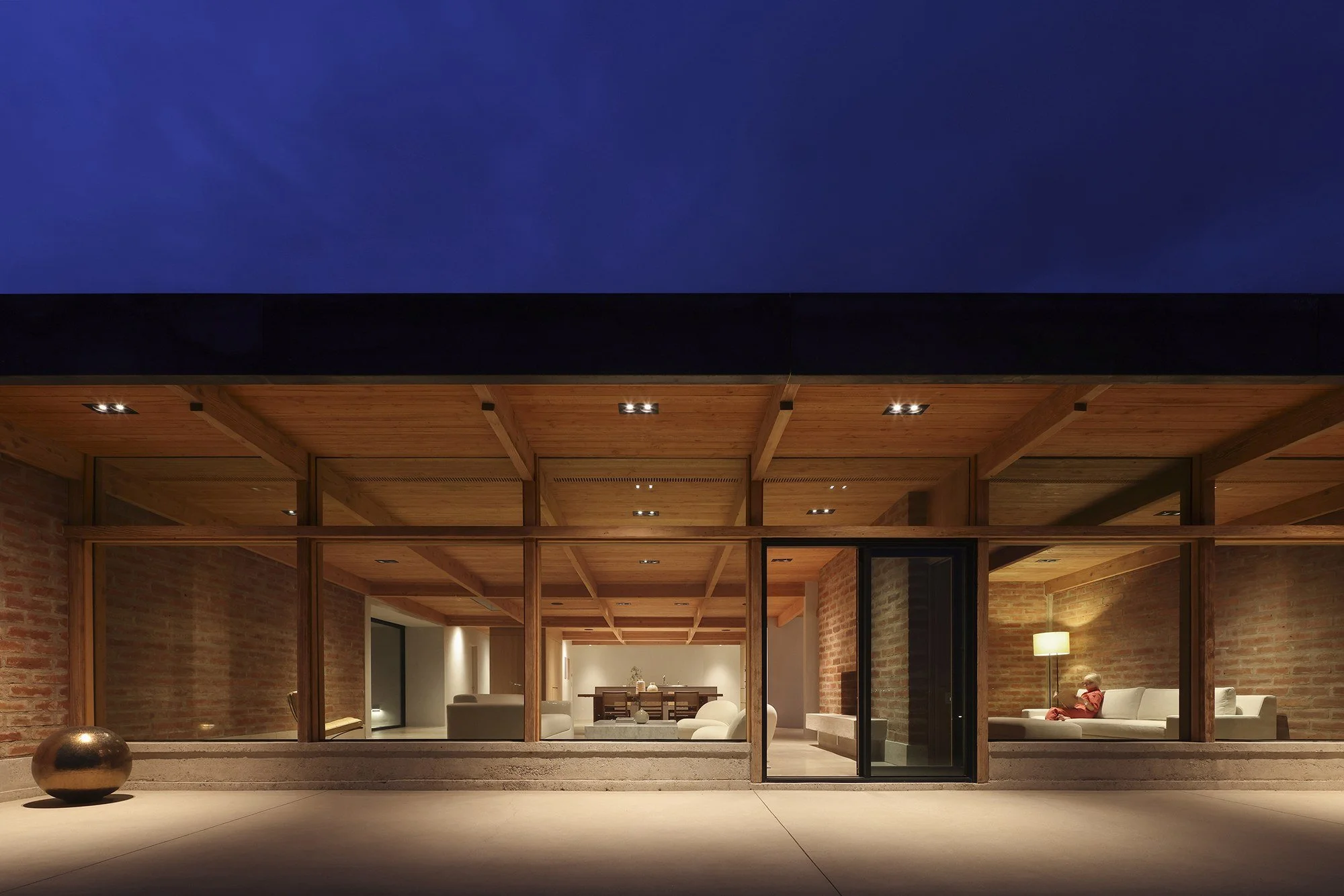
Read MoreCasa Luce reframes contemporary architecture in the Southwest via preservation as an active, creative practice; one that saves embodied energy, honors cultural lineage, and redefines architectural essence through transformation rather than replacement.
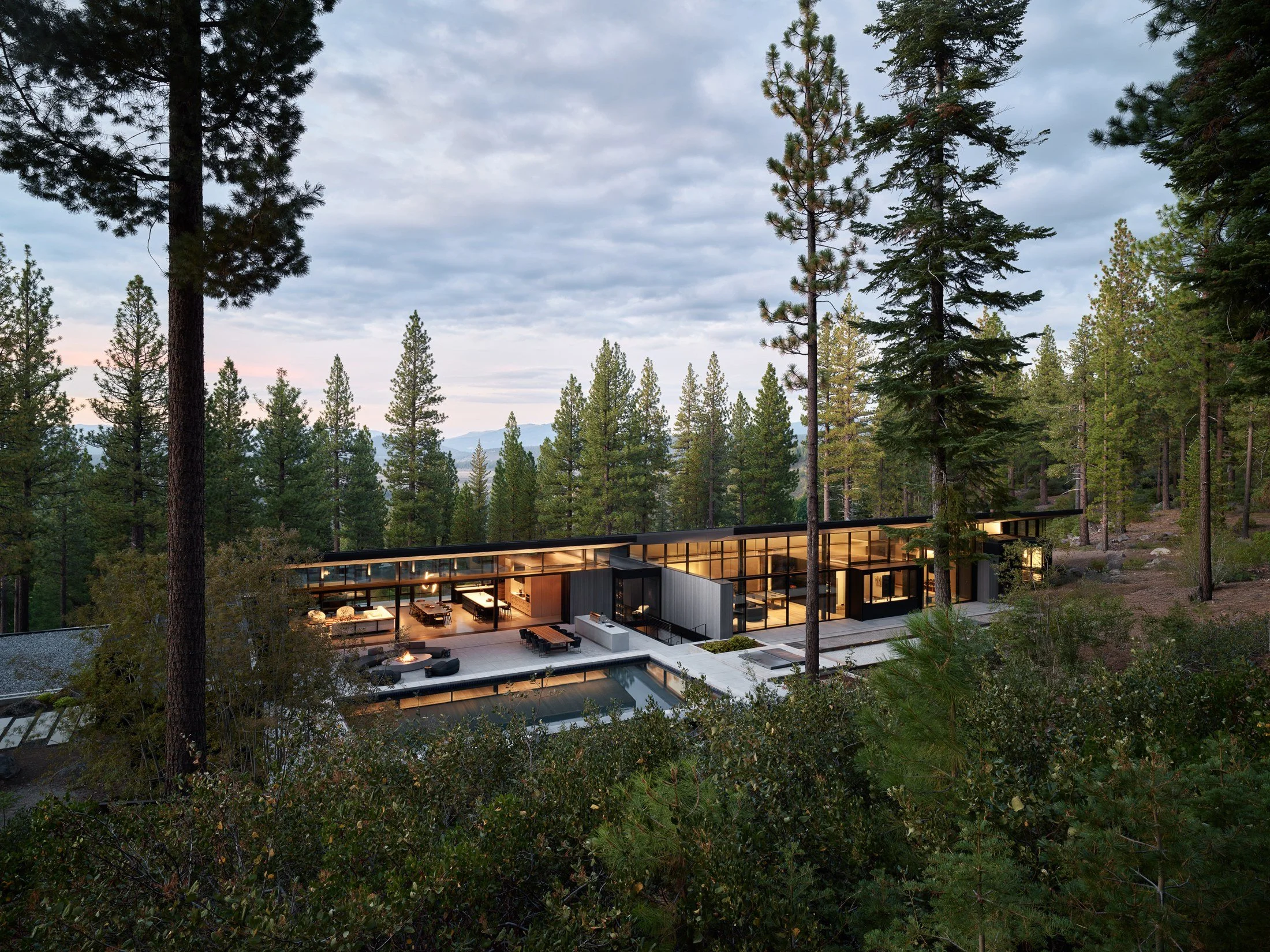
Read MoreCarefully sited on a narrow, sloping wooded mountainside, this family home uses a single roof plane, angled to maximize daylighting and shed snow, to gather varied family functions into carefully ordered, functionally differentiated pavilions that foster deep connections to the natural environment and reframe the experience of this exceptional site.
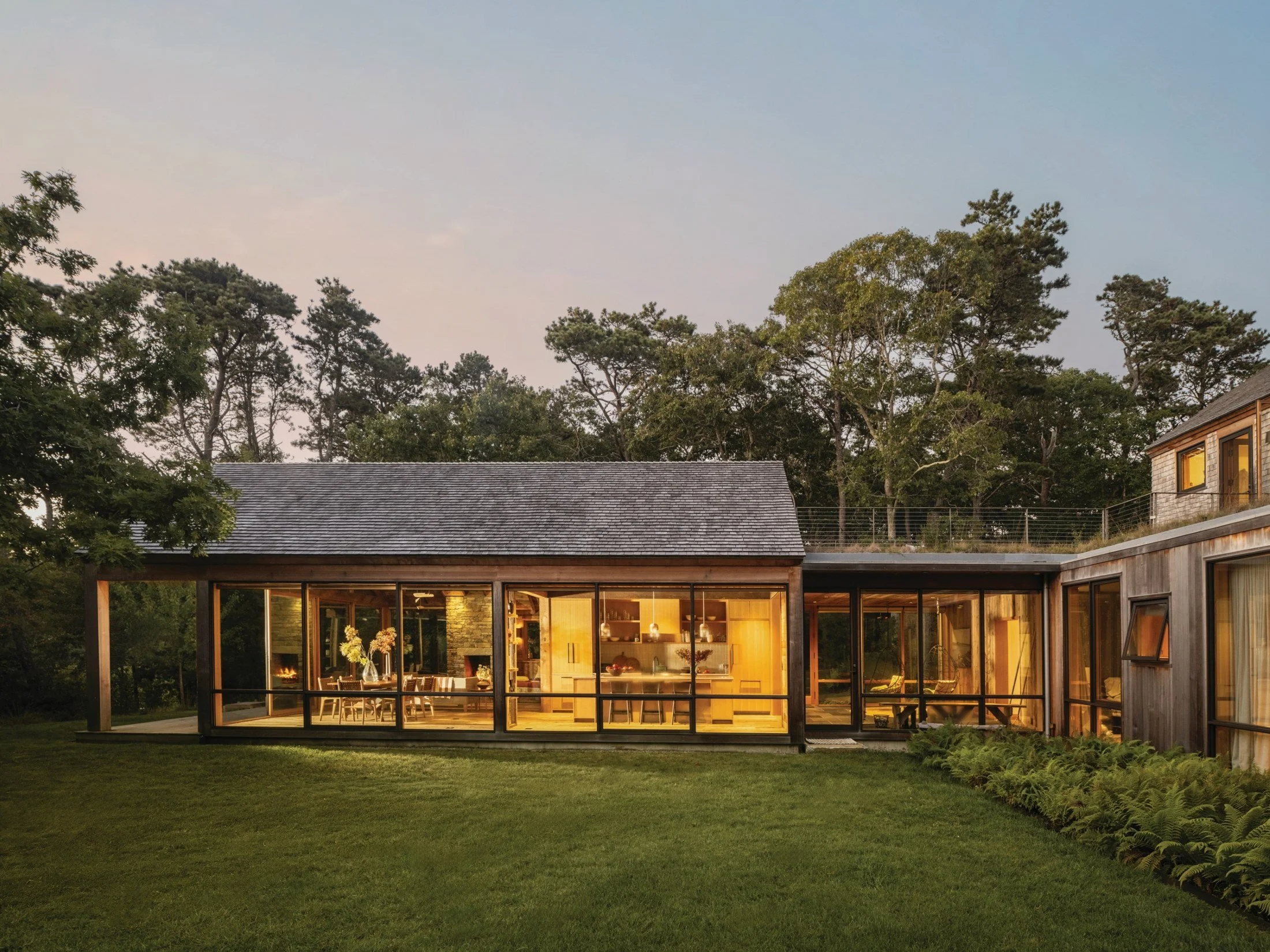
Read MoreSet within a wooded hillside on Martha's Vineyard, this reimagined family retreat transforms a modest camp, built by hand in 1972, into a contemporary, year-round home where architecture, landscape, and memory are woven together to reflect the site's history and embrace its future.
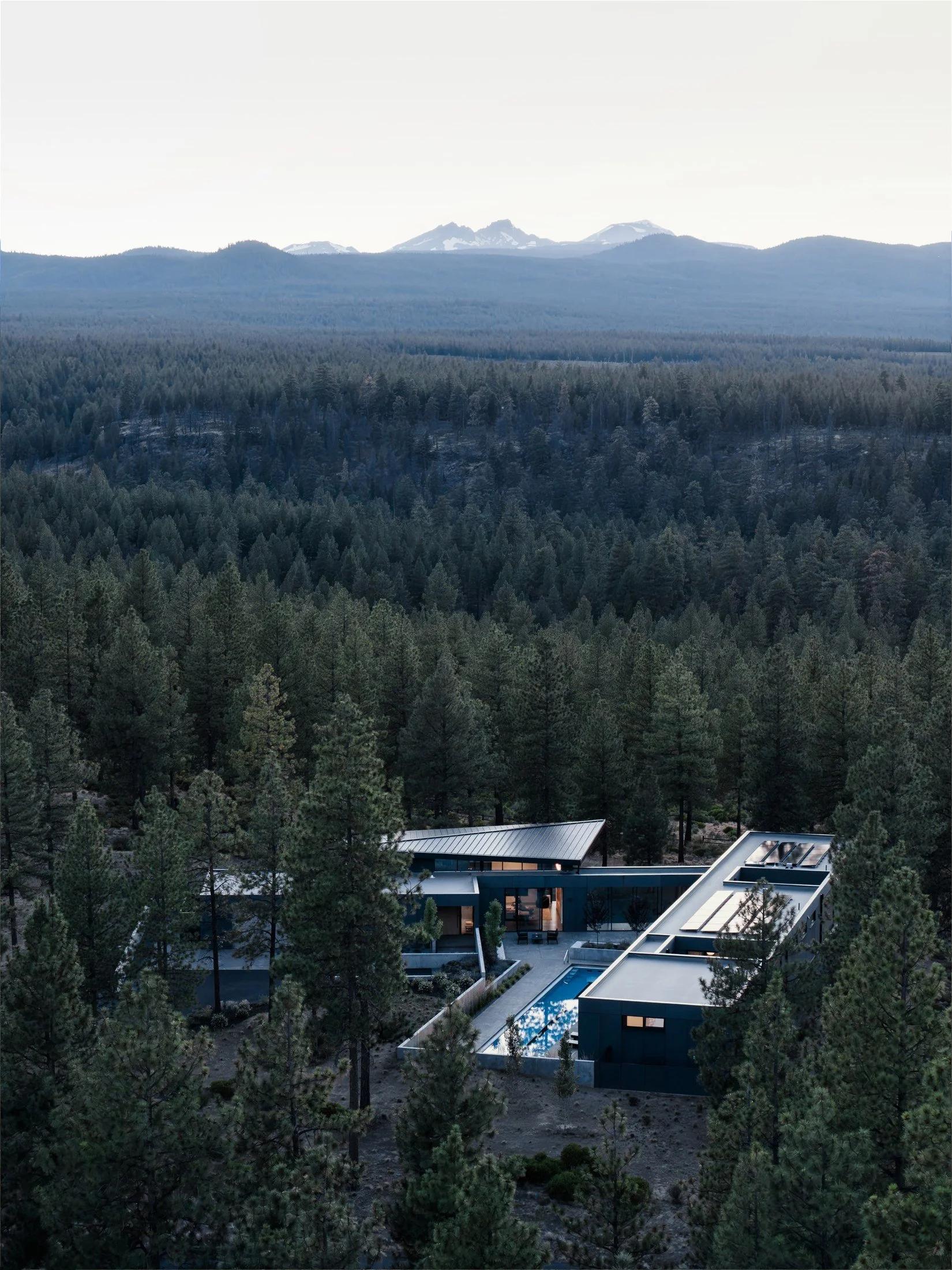
Read MoreBend Hideaway reacts delicately to its complex site, shielding occupants from neighbors to the northeast while opening westward into a 650-acre nature preserve, providing recent empty nesters with a private, high-performance escape that suits their active lifestyle.
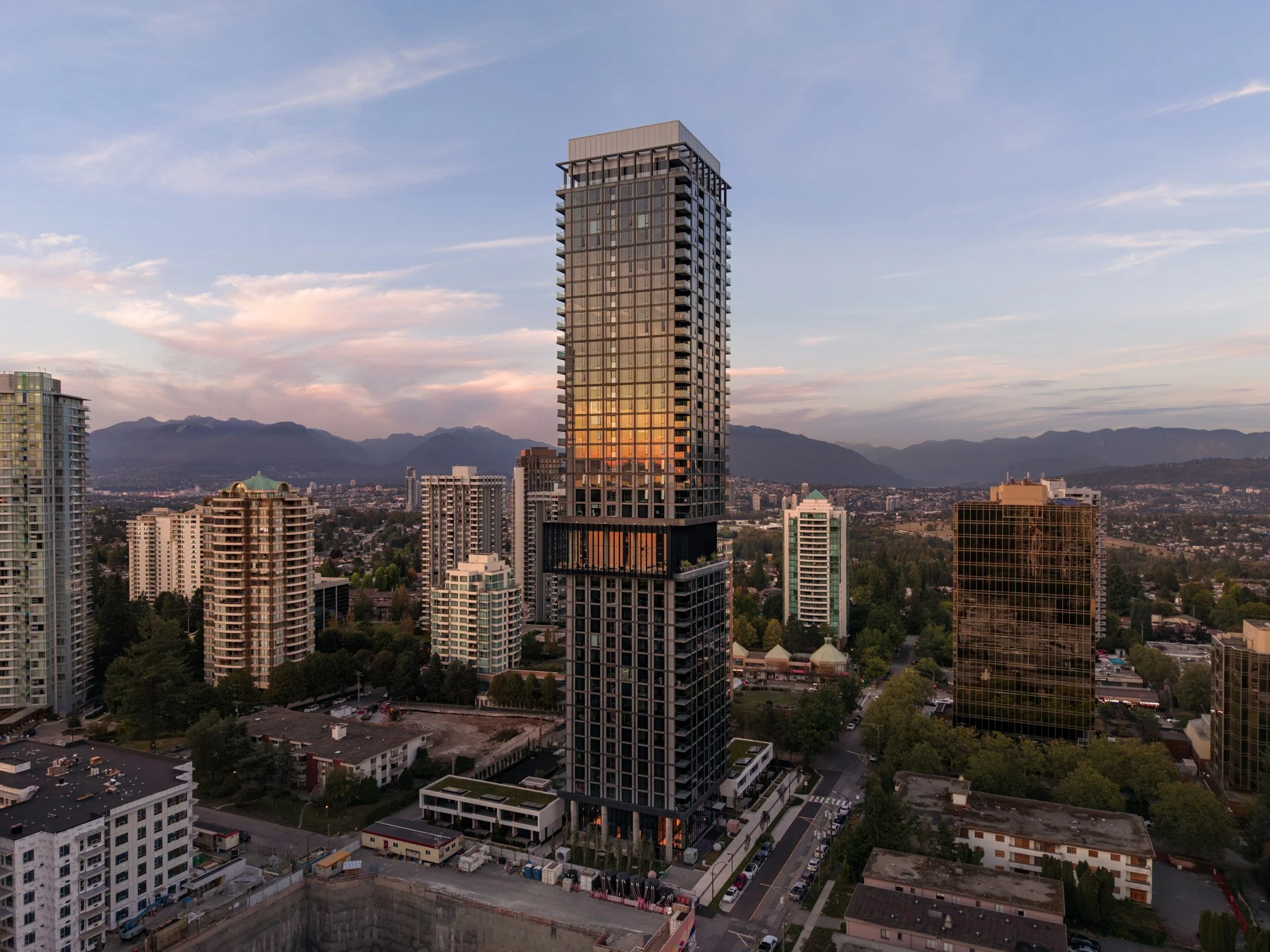
Read MoreThe design approach to this iconic, sustainable residential development is driven by a pursuit of timeless simplicity, reacting against antiquated, formulaic buildings in the area. The tower provides residents a private sanctuary from the modern world, fostering belonging within a vertical village while remaining within reach of Metro Vancouver.
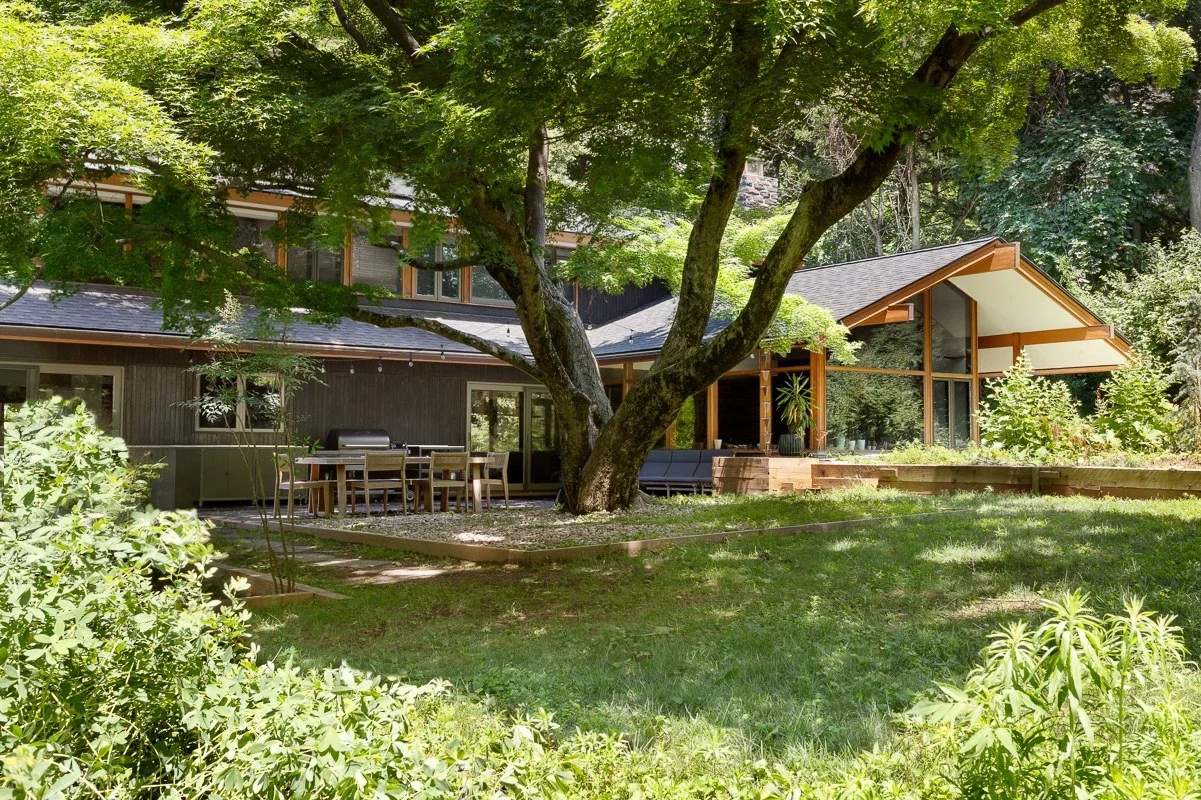
Read MoreBuilt in the 1960s and still occupied by its original family when purchased by our client, the house offered a rare opportunity to preserve an authentic architectural character while thoughtfully adapting it for contemporary living.
Read More